Inclusive water solutions for a more resilient water future
Water scarcity and water quality challenges affect millions of people around the world but their impacts are not experienced equally. In many communities, women and girls are responsible for collecting water, managing household water use and caring for family members when unsafe water leads to illness. When access to safe water and sanitation is limited, it can affect their health, education and economic opportunities.
The theme of World Water Day 2026 "Water and Gender" highlights the importance of recognising these inequalities and ensuring that women's voices are included in decisions that shape water management. Inclusive water governance is essential for building systems that meet the needs of all members of society.
At the same time, climate change, population growth and increasing demand are putting growing pressure on water resources across Europe and beyond. Strengthening the resilience of water systems while ensuring that solutions remain inclusive and sustainable is becoming an urgent priority.
RECREATE: Turning knowledge into action
This is where RECREATE contributes. The project focuses on improving the resilience of water supplies by supporting the integration of alternative water resources into water management planning. These include solutions such as water reuse, rainwater harvesting, desalination and aquifer recharge, which can help diversify supply and reduce pressure on natural water bodies.
RECREATE combines technological innovation with collaboration between researchers, water utilities, policymakers and local stakeholders. A central element of the project is the development of a digital decision-support framework that will help decision-makers better understand water availability, assess future risks and explore adaptive water management pathways under changing climate conditions.
But beyond developing tools, the project places strong emphasis on co-creation and knowledge exchange, ensuring that solutions are shaped by those who will ultimately use and benefit from them.
From collaboration to concrete progress
Across Europe, this collaborative approach is already translating into practical progress in the project's case study regions.
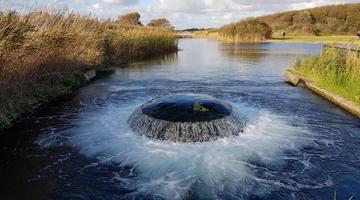
- In the Netherlands, work in the North Holland case study has rapidly moved from early concepts to hands-on co-creation with regional stakeholders. Community of Practice meetings are helping shape scenarios for future water management, while the regional water system model is being developed and integrated into the project's digital platform.
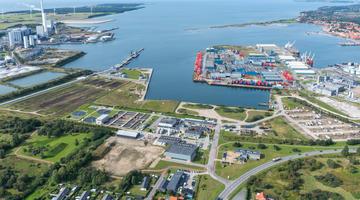
- Meanwhile in Kalundborg, Denmark, the project has become a focal point for cross-border dialogue on future water supply strategies. Stakeholders from several European countries have come together to exchange experiences, explore the feasibility of water reuse and develop future water supply scenarios for industry. These discussions are supported by technical work on risk assessments and life-cycle analysis to evaluate long-term alternative water resource options.
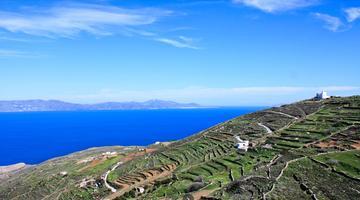
- On the Greek island of Syros, the focus is on improving local monitoring and data-driven decision-making. Newly installed groundwater sensors are now providing real-time information on water levels and quality. At the same time, a working group with local farmers is helping ensure that technical developments respond directly to the needs of those managing water resources on the ground.
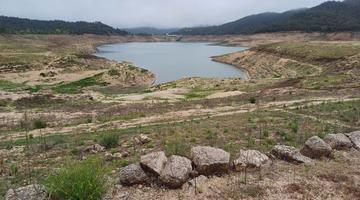
- Further west, in Costa Brava in Spain, partners are advancing experimental work on water reuse and aquifer recharge at a pilot reclamation plant. Alongside this technical work, engagement with regional decision-makers is helping explore how reclaimed water could support future water supply in a region increasingly affected by drought.
Together, these activities illustrate how data, modelling, stakeholder engagement and experimentation can come together to turn the concept of alternative water resources into practical, decision-ready solutions.
Looking ahead
Ensuring reliable water supplies in a changing climate is not only an environmental challenge but also a question of social equity. Water systems that are resilient, inclusive and well-governed help create conditions where communities can thrive and opportunities are more equally shared.
As highlighted by World Water Day 2026, recognising diverse perspectives, including those of women and underrepresented groups, is essential for developing sustainable water solutions.
By combining innovation, collaboration and practical testing across Europe, RECREATE is contributing to a future where resilient water management supports both environmental sustainability and social inclusion.
Publishing date: